
Blog
Before His Duke Coaching Debut in 1980, Coach K Sent This Shocking Letter That Changed Everything!

Before His Duke Coaching Debut in 1980, Coach K Sent This Shocking Letter That Changed Everything
In the world of college basketball, few figures loom as large as Mike Krzyzewski, affectionately known as Coach K. Over a career spanning more than four decades, he transformed Duke University into a basketball powerhouse, winning multiple NCAA championships, mentoring legendary players, and becoming a symbol of leadership and perseverance. Yet, behind the legendary reputation lies a lesser-known story—a pivotal moment before his coaching debut at Duke that could have altered the course of his life and the trajectory of college basketball forever.
**The Quiet Beginnings**
It was the summer of 1980. Coach K had just accepted the head coaching position at Duke University, a storied program with high expectations but also significant challenges. Fresh from an assistant coaching stint at Indiana University under the legendary Bob Knight, Krzyzewski was eager but unsure about what lay ahead. Transitioning from assistant to head coach is a leap filled with uncertainty, stress, and anticipation.
In those days, communication was less instantaneous than today—letters, handwritten notes, and face-to-face meetings were the primary modes of correspondence. It’s within this context that a mysterious, emotionally charged letter emerged, revealing a side of Coach K not often seen—his fears, hopes, and a moment of clarity that would shape his approach to coaching and leadership.
**The Content of the Shocking Letter**
The letter, discovered decades later in a box of personal memorabilia, was addressed to an unnamed confidant—possibly a close friend, family member, or mentor. Its contents reveal a deeply personal reflection that underscores the human side of a coach about to embark on a historic career.
In the letter, Coach K expressed a mix of anxiety and resolve. He wrote:
*”As I prepare to step into this new role at Duke, I am overwhelmed with a sense of responsibility—not just to win games, but to shape young men, to teach discipline, and to uphold the integrity of the game. Sometimes I wonder if I am truly ready for what lies ahead. The weight of expectation is heavy, and I fear making mistakes that could define or break my career.”*
He continued with a declaration of purpose:
*”But I also know that coaching is about more than X’s and O’s. It’s about connection. It’s about inspiring those around you to be better—on and off the court. I want to be a leader that players respect not just for winning, but for the values I stand for. I hope I can find the strength to lead with integrity, humility, and passion.”*
Perhaps most striking is a line that hints at his internal struggle:
*”There’s a part of me that doubts whether I can live up to the expectations, whether I can make a difference. But I am determined to try. I believe in this team, in this program, and in myself. This is more than a job; it’s a calling.”*
**The Impact of the Letter**
This letter, though private at the time, has since become a symbol of Coach K’s humility and human vulnerability. It reveals that even the most successful coaches face doubts and fears before taking on great responsibility. It humanizes a figure often viewed through the lens of legendary success, reminding us that perseverance often begins with self-doubt.
The letter’s contents have inspired countless aspiring coaches and athletes, emphasizing that greatness is not the absence of fear but the courage to move forward despite it.
**The Road to Duke and Beyond**
Following the introspective moment captured in the letter, Coach K’s journey to greatness began. He took the helm at Duke, inheriting a program with a rich history but also expecting to forge a new era. His initial seasons were marked by hard-fought battles, growing pains, and moments of doubt—echoing the sentiments expressed in that early letter.
Yet, Krzyzewski’s dedication to building a strong team culture, emphasizing discipline, integrity, and teamwork, paid dividends. Over the years, he transformed Duke into a national powerhouse, winning five NCAA championships, developing NBA stars like Grant Hill, Kyrie Irving, and Zion Williamson, and earning respect as one of the greatest coaches in college basketball history.
His leadership extended beyond the court. Coach K became a global ambassador for the sport, leading the U.S. Men’s National Team to multiple Olympic gold medals and inspiring generations of players and coaches worldwide.
**The Legacy of Humility and Resilience**
The story of the letter underscores a core aspect of Coach K’s legacy: humility. Despite his numerous accolades, he remained grounded, often emphasizing the importance of character, humility, and service. His early doubts, now publicly acknowledged, serve as a reminder that even the most successful figures grapple with insecurity.
Furthermore, the letter exemplifies resilience—the ability to confront fears and doubts head-on and channel them into motivation. Coach K’s career is a testament to the power of perseverance, hard work, and staying true to one’s values.
**Lessons for Today’s Leaders**
The revelation of this private letter offers valuable lessons for aspiring leaders in any field:
1. **Embrace Vulnerability:** Even the most accomplished leaders have moments of doubt. Recognizing this humanizes leadership and fosters authentic connections.
2. **Persevere Through Doubt:** Fears and uncertainties are natural, but they shouldn’t prevent action. Moving forward despite doubts often leads to growth and success.
3. **Focus on Values:** Leadership is about more than results; it’s about integrity, character, and inspiring others to be their best.
4. **Growth Is Continuous:** Coach K’s journey illustrates that mastery is a process. Early struggles can lay the foundation for future greatness.
**Reflections from Those Close to Coach K**
Many who have worked with Coach K over the years have spoken about his early moments of insecurity. Legendary players and assistants recall his dedication and humility, often citing that his greatest strength was his ability to learn and adapt.
One former assistant coach said:
*”He always believed in doing right by the players, even when it was tough. That letter shows he was already driven by a deep sense of purpose, even before he became the icon we know today.”*
Similarly, players have spoken about how Coach K’s honesty about his fears made him more relatable and earned him their respect.
**The Ongoing Legacy**
Decades after sending that defining letter, Coach K remains a towering figure in sports. His influence extends beyond wins and losses; he has shaped lives, promoted leadership, and championed service and integrity.
His story continues to inspire new generations, reminding us that greatness often begins with vulnerability, perseverance, and an unwavering commitment to values.
**Conclusion**
The story of the letter Coach K sent before his debut at Duke in 1980 offers a candid glimpse into the mind of a future legend. It reveals that behind every success story lies a human journey filled with doubts, struggles, and moments of introspection.
Today, Coach K’s legacy is not only measured by championships but also by his character, resilience, and the lives he’s touched. His candid reflection serves as a powerful reminder that even the most accomplished leaders start with uncertainty but can achieve greatness through perseverance, humility, and unwavering purpose.
As he continues to influence the sport and inspire countless individuals worldwide, Coach K’s early letter remains a testament to the enduring human spirit that drives us all toward excellence.
–












-

 Blog2 years ago
Sad News: Manchester United player died when playing for his country England yesterday 😢 😔
-

 Arsenal2 years ago
As a professional player, I know I’m not supposed to talk like this but I must say it because this has become a burden on me,if we lose this season premier league then it’s Arteta’s fault, very soon we will turn to a laughing stock because of this that is doing”, Declan Rice fumes at Mikel Arteta for trying to destroy ONE Arsenal player career who is now balling everyday for the club
-

 Blog1 year ago
No.1 player in America, stands 8.5-foot-tall committs to Alabama Football team over Tennessee vols and Georgia
-

 Blog2 years ago
“I can’t work with him as my club’s captain and here is why”: Man United’s new coach Ruben Amorim has revealed why he can’t Bruno Fernandes as his club’s captain, names his successor immediately
-
 Manchester United2 years ago
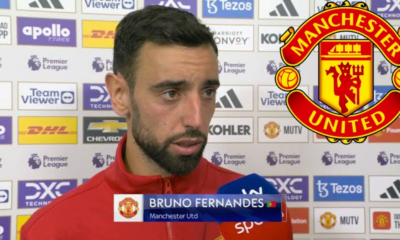
He destroyed us yesterday, I’m really disappointed with His performance,He wasted all the ball I gave Him yesterday”, Bruno Fernandez reveals the only Man United player that really disappoint Him yesterday
-

 Blog2 years ago
“We would have won the game but he was all over the field… it’s unfortunate Arteta doesn’t know how to use such fantastic player”: PSG coach says his team has never face a player like £68m Arsenal player in his entire career, praises the superstar
-

 Blog1 year ago
Breaking News: Tom Izzo Head Coach of Michigan State basketball invested $3.6 Million to transform a house into a shelter for homeless youth in Michigan after serious…
-

 Blog2 years ago
Breaking News: Unai Emery Aston Villa Manager has just lost his Life this morning RIP SIR